
Unlocking the Mysteries of Tarot Card Readings History Basics and Beginner Tips
- astrotopia459
- Dec 5, 2025
- 4 min read

Tarot cards have fascinated people for centuries, offering a unique way to explore the unknown and gain insight into life’s challenges. Whether you are curious about your future, seeking guidance, or interested in self-discovery, tarot readings can provide a meaningful experience. This post will take you through the history of tarot cards, explain how readings work, and offer practical tips for beginners on choosing a deck and interpreting cards. You will also learn about common tarot spreads and their meanings to help you get started on your journey.
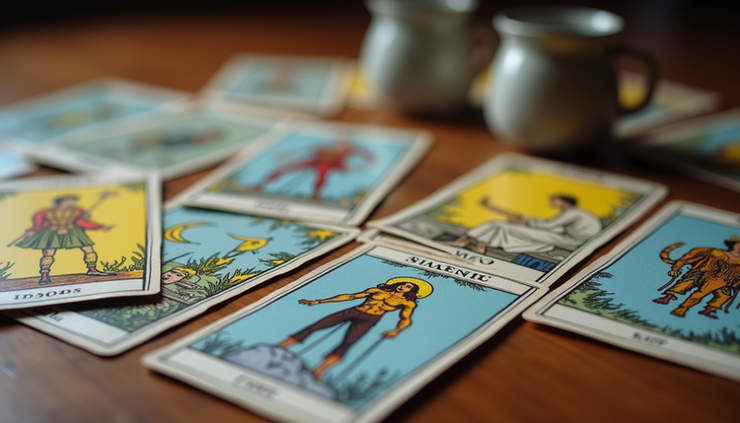
The History and Origins of Tarot Cards
Tarot cards first appeared in Europe during the 15th century, originally created as playing cards. The earliest decks were hand-painted and used for games like tarocchi in Italy. It was not until the 18th century that tarot cards began to be associated with mysticism and divination.
The deck typically consists of 78 cards divided into two groups: the Major Arcana and the Minor Arcana. The Major Arcana includes 22 cards with powerful symbolic images such as The Fool, The Magician, and The Lovers. These cards represent significant life events or spiritual lessons. The Minor Arcana has 56 cards divided into four suits—Cups, Pentacles, Swords, and Wands—each representing different aspects of daily life and emotions.
Tarot’s connection to the occult grew with the writings of French occultists like Antoine Court de Gébelin and later, the Hermetic Order of the Golden Dawn in the late 19th century. These groups linked tarot imagery to ancient wisdom, astrology, and Kabbalah, deepening its use as a tool for spiritual insight.
How Tarot Readings Work and What to Expect
A tarot reading is a conversation between you and the cards. The reader shuffles the deck while focusing on your question or situation. Then, cards are drawn and laid out in a specific pattern called a spread. Each card’s position in the spread influences its meaning.
During a session, the reader interprets the cards based on their symbolism, position, and relationship to other cards. The goal is not to predict a fixed future but to reveal possibilities, challenges, and advice. A reading can help you understand your feelings, clarify decisions, or explore new perspectives.
Expect a tarot session to be interactive. You may be invited to ask questions or reflect on the cards’ messages. Some readers combine tarot with intuition or other tools like astrology. Sessions can last from 15 minutes to an hour or more, depending on your needs.
Tips for Beginners on Choosing a Tarot Deck
Choosing your first tarot deck can feel overwhelming because there are hundreds of designs available. Here are some tips to help you find a deck that suits you:
Look at the artwork: The images should resonate with you. Some decks have traditional Rider-Waite-Smith style illustrations, while others feature modern or abstract art.
Consider the theme: Decks come in many themes, such as mythological, nature-inspired, or cultural. Pick one that sparks your interest and feels meaningful.
Check the guidebook: A good beginner deck includes a clear, easy-to-understand guidebook explaining card meanings and spreads.
Handle the cards: If possible, hold the deck before buying. The size, weight, and card finish affect how comfortable it feels to shuffle and read.
Trust your intuition: Your connection to the deck is important. Choose the one that feels right, even if it’s not the most popular.
How to Interpret Tarot Cards
Interpreting tarot cards takes practice and patience. Here are some basic steps to get started:
Learn the card meanings: Begin with the Major Arcana and the four suits of the Minor Arcana. Focus on keywords and general themes.
Pay attention to imagery: Notice colors, symbols, and characters on the cards. These details add depth to the meaning.
Consider card position: In a spread, each position has a specific meaning, such as past influences or future possibilities.
Look at card combinations: Cards influence each other. For example, two positive cards together may strengthen a message.
Use your intuition: Let your feelings and thoughts guide your interpretation. Sometimes the first impression reveals the most.
Keep a journal: Record your readings and insights. Over time, you will see patterns and deepen your understanding.
Common Tarot Spreads and Their Meanings
Tarot spreads are layouts that organize cards to answer questions or explore situations. Here are some popular spreads for beginners:
The Three-Card Spread
This simple spread uses three cards to represent the past, present, and future or situation, action, and outcome. It’s a quick way to get clarity on a specific question.
The Relationship Spread
Typically six cards, this spread examines the dynamics between two people. Cards represent each person’s feelings, the relationship’s strengths, and areas for growth.
The Daily Draw
Pulling one card each day helps you focus on a theme or message for the day. It’s a great way to build a daily tarot practice.
The Decision Spread
This spread helps weigh options by assigning cards to different choices and outcomes, offering insight into the best path forward.


Comments